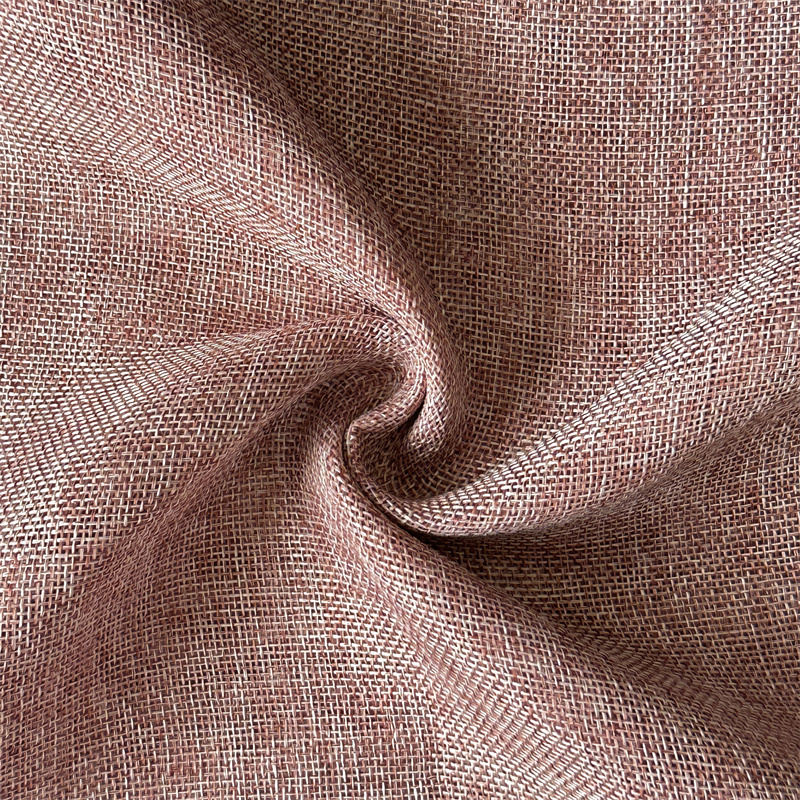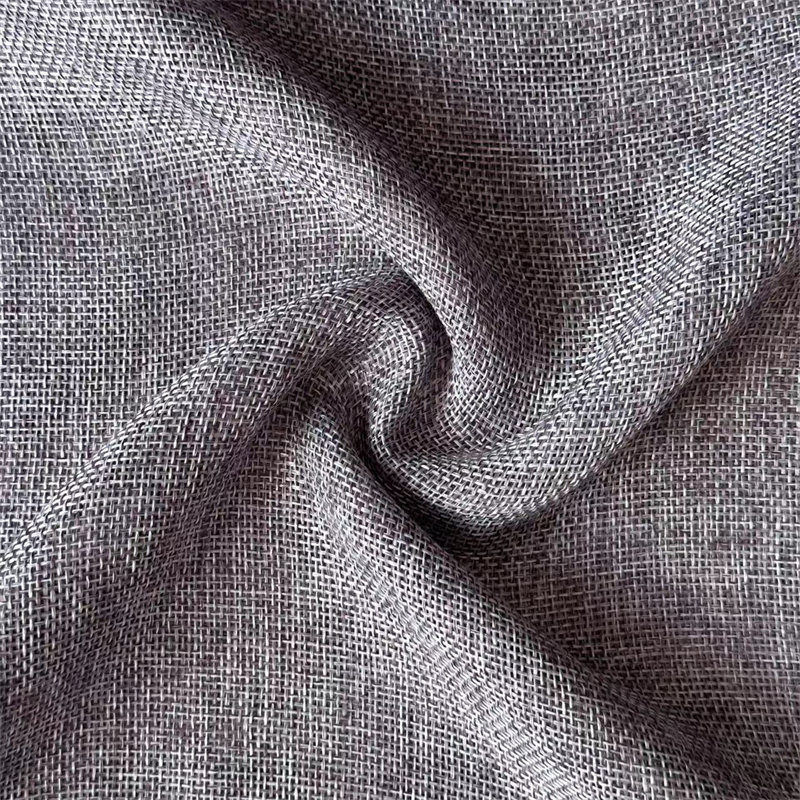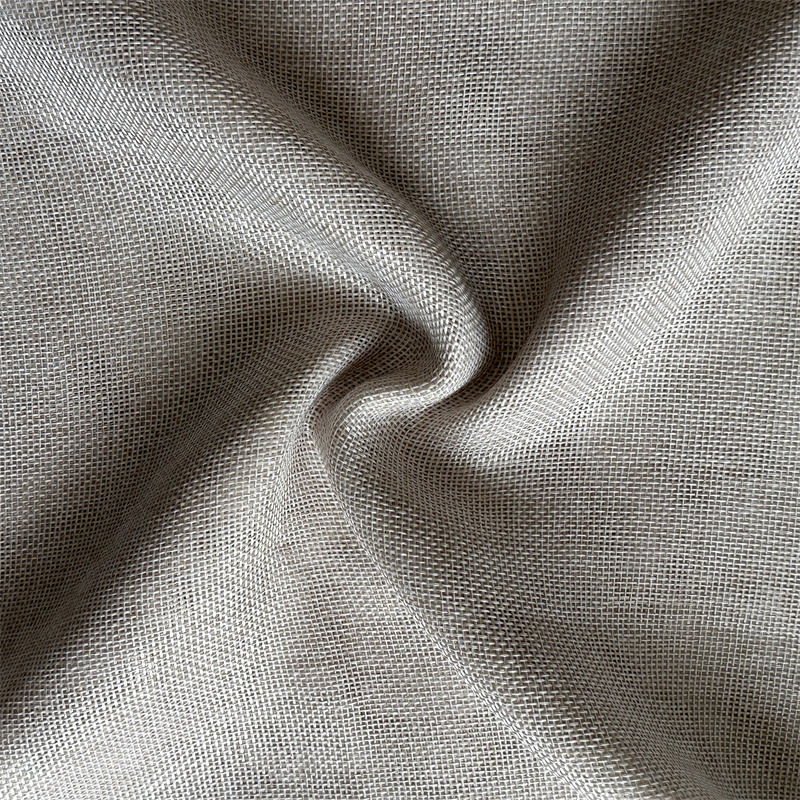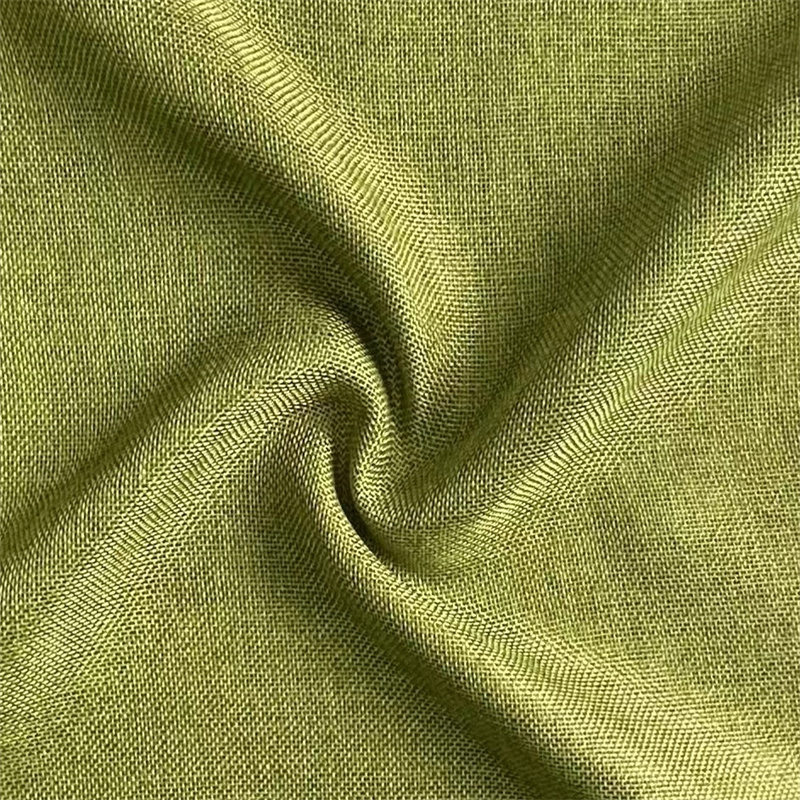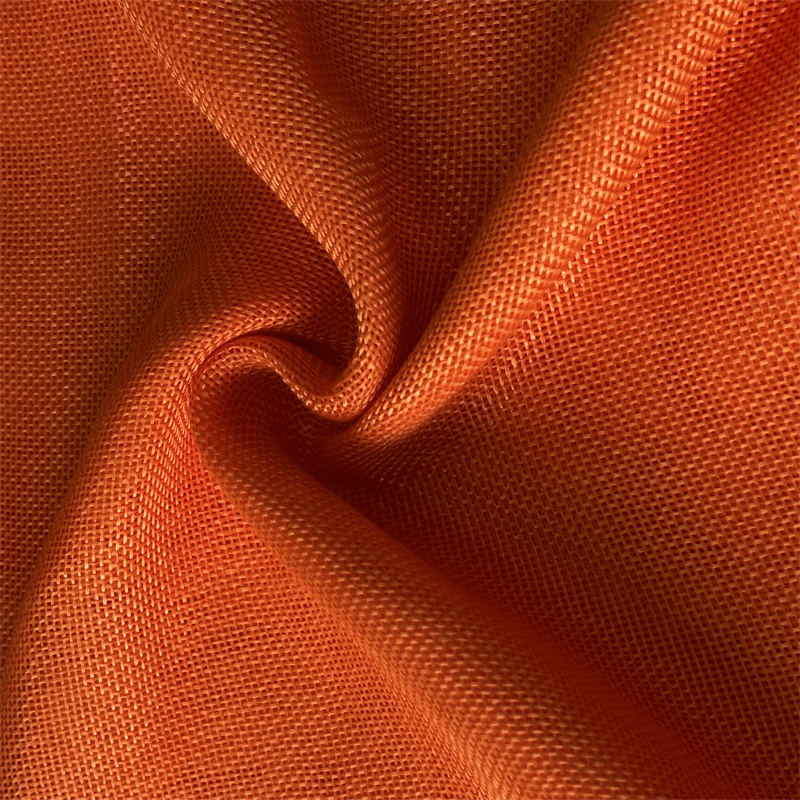


Жаккардовая ткань выделяется в текстильном мире благодаря своему уникальному методу изготовления, однако многие потребители путают его с тканями с принтом или вышивкой, которые могут показаться визуально похожими. Понимание фундаментальных различий между этими типами тканей позволяет принимать обоснованные решения о покупке всего: от обивки и драпировок до одежды и роскошного постельного белья. В то время как набивные ткани наносят рисунок на поверхность, вышитый текстиль добавляет декоративную строчку поверх основных материалов, а жаккардовые переплетения интегрируют сложные узоры непосредственно в структуру ткани во время самого процесса ткачества. В этом подробном руководстве рассматриваются технические различия, эксплуатационные характеристики, финансовые последствия и идеальные варианты применения каждого типа ткани, а также предоставляются подробные знания, необходимые для выбора подходящего текстиля для конкретных проектов, и оценивается мастерство, лежащее в основе этих различных декоративных подходов.
Фундаментальный процесс ткачества жаккардовой ткани
Жаккардовая ткань получила свое название от революционного изобретения Жозефом Мари Жаккардом в 1804 году приспособления для жаккардового ткацкого станка, которое позволило индивидуально контролировать нити основы для создания замысловатых тканых узоров, ранее достижимых только посредством чрезвычайно трудоемкого ручного ткачества. Это механическое нововведение коренным образом изменило текстильное производство благодаря использованию перфокарт — предшественников современного компьютерного программирования — для контроля того, какие нити основы поднимаются во время каждого прохода уточной нити, создавая сложные разноцветные узоры и текстуры, интегрированные в фундаментальную структуру ткани.
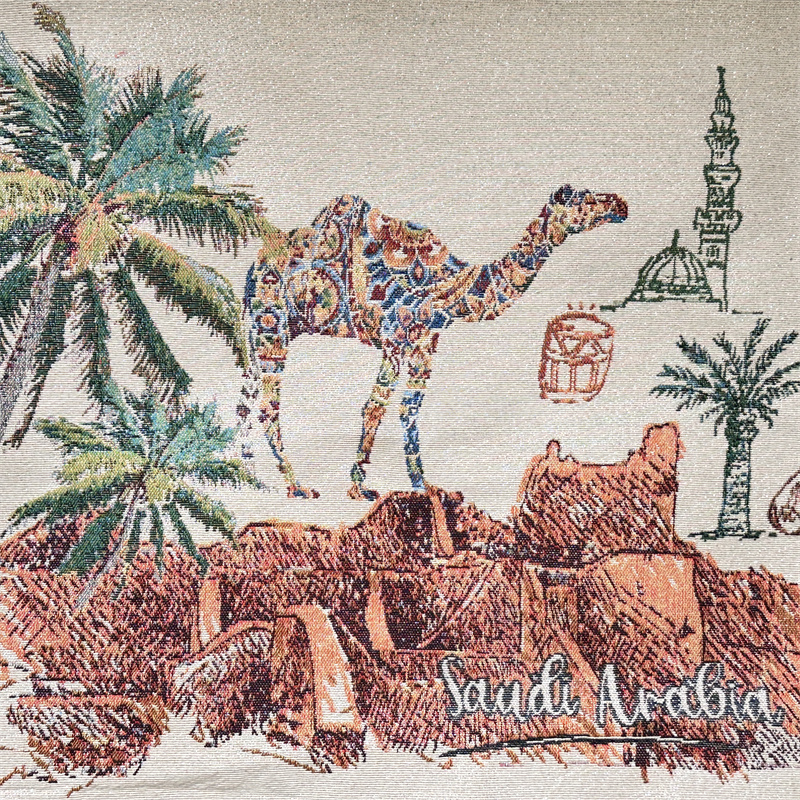
Современные жаккардовые ткацкие станки используют компьютеризированные системы управления, которые точно управляют тысячами отдельных нитей основы, позволяя сложность узора ограничиваться только производительностью нити ткацкого станка и воображением дизайнера. В процессе ткачества пряжи разных цветов переплетаются в соответствии с запрограммированными узорами, при этом рисунок существует как неотъемлемая часть структуры ткани, а не применяется впоследствии. Этот метод изготовления создает отличительные характеристики, включая видимость рисунка на обеих сторонах ткани (хотя часто в обратных цветах), объемную текстуру за счет различной плотности переплетения и исключительную долговечность, поскольку рисунок не может стираться или выцветать независимо от основной ткани.
Структурная интеграция узоров в жаккардовом ткачестве позволяет получить ткани с присущей им глубиной и сложностью. Области с более плотной концентрацией нитей создают рельефные узоры, в то время как более рыхлые переплетения образуют фоновые участки, создавая тактильное измерение исключительно за счет разнообразного переплетения нитей, не требуя дополнительных материалов или процессов. Это трехмерное качество отличает жаккард от плоских печатных рисунков, обеспечивая визуальный интерес, который меняется в зависимости от угла освещения и перспективы просмотра, поскольку свет по-разному взаимодействует с выпуклыми и утопленными областями рисунка.
Обычные структуры жаккардового переплетения включают парчу с рельефными цветочными или орнаментальными узорами, часто с металлическими нитями, дамасскую ткань с двусторонними узорами из атласа и сатина, создающими тонкие эффекты тон в тон, и матлассе, создающее стеганый или набивной вид за счет конструкции из двойной ткани. Каждый тип структуры предлагает различные эстетические и эксплуатационные характеристики, подходящие для различных применений: от официальной обивки до элегантного скатерти и роскошных тканей для одежды.
Ткани с набивным рисунком: методы нанесения на поверхность
В набивных тканях используются различные методы нанесения цветных рисунков на готовые текстильные поверхности, создавая декоративные узоры посредством окрашивания или нанесения пигментов, а не структурного плетения. Этот принципиально иной подход предлагает явные преимущества и ограничения по сравнению с жаккардовой конструкцией, а соответствующие применения зависят от конкретных требований к производительности и эстетических целей.
Трафаретная печать представляет собой наиболее распространенный метод печати на текстиле, в котором используются сетчатые трафареты с заблокированными участками, образующими негативы рисунков, через которые красители или пигменты передаются на поверхности ткани. Для каждого цвета в дизайне требуется отдельный экран, при этом ткани проходят через последовательные печатные станции, на которых цвета наслаиваются для создания законченных узоров. Этот процесс позволяет получить четкие, точные узоры с превосходной насыщенностью цвета и эффективно работать с различными типами тканей, от легкого хлопка до плотного холста. Однако трафаретная печать обычно дает односторонние рисунки с минимальной видимостью рисунка на изнаночных сторонах ткани, а красители, нанесенные на поверхность, могут со временем выцвести или стереться при интенсивном использовании или интенсивной стирке.
Цифровая печать по текстилю произвела революцию в отрасли благодаря использованию струйной технологии для нанесения рисунков непосредственно из цифровых файлов без использования трафаретов или пластин. Этот метод обеспечивает неограниченную сложность цвета, фотографическое качество воспроизведения и экономичное производство в короткие сроки, поскольку затраты на установку остаются минимальными по сравнению с трафаретной печатью, требующей физического производства трафаретов. Цифровая печать отлично подходит для тканей, изготовленных по индивидуальному заказу или ограниченного выпуска, где традиционные методы печати оказываются экономически невыгодными, хотя чернила, наносимые на поверхность, имеют те же ограничения по долговечности, что и дизайны, напечатанные трафаретной печатью.
Валковая печать и блочная печать представляют собой более старые методы, которые до сих пор используются для конкретных применений: гравированные валики или резные блоки переносят узоры на ткани в виде непрерывных или повторяющихся мотивов. Эти методы обычно создают менее точные узоры, чем трафаретная или цифровая печать, но обеспечивают отличительные эстетические качества ручной работы, которые ценятся на ремесленных и традиционных текстильных рынках. Ключевой характеристикой, объединяющей все методы печати, остается подход к нанесению на поверхность, при котором узоры существуют поверх тканевых структур, а не интегрированы в них, что фундаментально отличает напечатанный текстиль от тканых жаккардовых тканей.
Вышитый текстиль: добавлено объемное украшение
Вышивка создает декоративные узоры, прошивая нити через ткань-основу с использованием специальных игл и конфигураций нитей, добавляя объемный декор поверхности, отличный как от тканых жаккардовых узоров, так и от плоских печатных рисунков. Этот аддитивный декоративный подход обеспечивает уникальные текстурные качества и эксплуатационные характеристики, подходящие для конкретных применений, где трехмерное украшение повышает функциональность или эстетическую привлекательность.
Машинная вышивка доминирует в коммерческом текстильном производстве: используются компьютеризированные вышивальные машины с несколькими головками, которые одновременно вышивают сложные узоры на нескольких кусках ткани с поразительной скоростью и точностью. Эти машины могут использовать различные типы строчек, включая атласные строчки для заполненных областей, сметочные строчки для контуров и специальные строчки, создающие текстурированные эффекты. Машинная вышивка обеспечивает стабильное воспроизведение рисунка при больших объемах производства, что делает ее экономичной для таких изделий, как фирменная одежда, декоративное белье и домашний текстиль с украшениями. Швы проникают сквозь ткань основы, создавая видимые узоры с обеих сторон, хотя четкость и внешний вид рисунка значительно различаются на передней и задней поверхностях.
Ручная вышивка представляет собой традиционное мастерство создания уникальных ремесленных тканей, которые ценятся за свою индивидуальность и мастерство, очевидное в исполнении. Различные культурные традиции разработали отличительные стили вышивки, включая вышивку крючком, вышивку ришелье, белую вышивку и технику счета нитей, каждая из которых создает особые эстетические эффекты за счет различных комбинаций стежков и применений ниток. Ткани с ручной вышивкой продаются по более высоким ценам, что отражает необходимость значительных трудовых вложений, что ограничивает их использование в первую очередь предметами роскоши, культурной одеждой и предметами декоративного искусства, а не товарными текстильными изделиями.
Дополнительный размер нити в вышитых тканях создает как визуальный интерес, так и практические соображения. Рельефная строчка обеспечивает тактильную текстуру и визуальную глубину, отсутствующие в тканях с набивным рисунком, хотя этот же размер может создавать проблемы в приложениях, требующих гладких поверхностей или где существует риск зацепления. Нитки для вышивания также могут изнашиваться по-разному по сравнению с основной тканью, что может привести к повреждению или ослаблению прежде, чем основной текстильный материал испортится. Эти факторы влияют на правильный выбор применения: вышивка превосходно подходит для декоративных предметов, требующих бережного использования, но менее подходит для применений с высоким уровнем истирания, где встроенные жаккардовые узоры демонстрируют превосходную долговечность.
| Характеристика | Жаккардовая ткань | Ткань с принтом | Вышитая Ткань |
| Метод шаблона | Вплетено в структуру | Наносится на поверхность | Пришивается к поверхности |
| Видимость узора | Обе стороны (перевернутые) | Преимущественно одна сторона | Обе стороны (разные) |
| Долговечность | Отлично | Умеренный | Переменная |
| Текстура | Интегрированный размерный | Квартира | Повышенный размер |
| Стоимость производства | Высокий | От низкого до среднего | Умеренный to High |
Сравнение долговечности и производительности
Метод изготовления фундаментально определяет эксплуатационные характеристики ткани, включая долговечность, стойкость цвета, требования к уходу и долговечность в различных областях применения. Понимание этих различий в характеристиках помогает правильно выбрать ткань для конкретного конечного использования, где определенные характеристики оказываются решающими для успеха и удовлетворения.
Жаккардовые ткани демонстрируют превосходную долговечность рисунка, поскольку рисунки существуют как неотъемлемые структурные элементы, а не как поверхностные приложения. Рисунок сохраняется до тех пор, пока сама ткань остается неповрежденной, без возможности выцветания, отслоения или износа рисунка независимо от основного текстиля. Эта присущая ему долговечность делает жаккард идеальным для часто используемых применений, включая обивку, драпировки и столовое белье, где узоры должны выдерживать годы использования, чистки и воздействия солнечных лучей без существенного ухудшения. Структурная интеграция также обеспечивает стойкость цвета, поскольку пряжа, окрашенная перед плетением, сохраняет цвет по всему поперечному сечению, а не волокна, окрашенные по поверхности, которые могут потерять цвет из-за истирания или выцветания.
Ткани с набивным рисунком сталкиваются с проблемами долговечности, поскольку нанесенные на поверхность красители или пигменты постепенно изнашиваются, выцветают или смываются в процессе использования и чистки. Современные технологии печати и химические красители значительно улучшили долговечность отпечатков по сравнению с историческими методами: качественные ткани с набивным рисунком сохраняют приемлемый внешний вид даже при многочисленных циклах стирки и годах умеренного использования. Однако напечатанные узоры неизбежно изнашиваются до того, как основная ткань портится, особенно в местах с сильным истиранием или при воздействии интенсивного солнечного света, который фотообесцвечивает красители. Это ограничение делает ткани с набивным рисунком наиболее подходящими для модных приложений, где регулярная замена происходит независимо от долговечности, для декоративных предметов, требующих бережного использования, или для применений, где циклы обновления рисунков совпадают с ожидаемыми сроками замены ткани.
Ткани с вышивкой обладают смешанными характеристиками долговечности: качественные строчки потенциально долговечнее основных тканей, а плохо выполненная вышивка может преждевременно выйти из строя из-за обрыва нити, ослабления стежков или различного износа вышитых и невышитых участков. Приподнятый размер нити создает риск зацепления при работе с шероховатыми поверхностями или зацепами, а проколы в швах создают потенциальные слабые места, где основная ткань может порваться под нагрузкой. Правильный дизайн и выполнение вышивки учитывают эти факторы, используя соответствующие типы ниток, плотность стежков и материалы основы, которые распределяют нагрузки и увеличивают долговечность. Хорошо изготовленные вышитые ткани выдерживают десятилетия использования, о чем свидетельствуют старинные полотна и одежда, пережившие поколения, хотя эта долговечность требует качественных материалов, умелого исполнения и соответствующего ухода.
Соображения стоимости и экономические факторы
Производственные затраты значительно различаются между жаккардовым плетением, печатью и вышивкой, что влияет на розничные цены и определяет экономически целесообразное применение для каждого метода декорирования. Понимание этих структур затрат помогает оценить ценностные предложения и принять обоснованные решения о покупке, соблюдая баланс между бюджетными ограничениями и желаемым качеством и долговечностью.
Жаккардовое ткачество представляет собой наиболее капиталоемкий метод производства, требующий сложных ткацких станков стоимостью от сотен тысяч до миллионов долларов и квалифицированных операторов, которые понимают как механику ткачества, так и программирование выкроек. Сложность настройки новых выкроек требует значительного времени и опыта перевода дизайнов в программы ткачества, что делает производство небольших партий экономически трудным. Однако после того, как выкройки запрограммированы и настроены ткацкие станки, производство становится более эффективным, причем затраты на ткань в первую очередь определяются качеством и количеством пряжи, а не сложностью выкройки. Такая структура затрат делает жаккард экономичным при длительном производстве обивочных тканей, стандартных моделей драпировок и товарного полотна, где затраты на установку амортизируются при больших объемах, в то время как жаккарды на заказ или ограниченным тиражом требуют премиальных цен, отражающих значительные инвестиции в установку.
Затраты на печать сильно различаются в зависимости от метода и объема производства. Трафаретная печать требует изготовления трафаретов для каждого цвета, что приводит к увеличению затрат на установку, которые уменьшают затраты на единицу продукции по мере увеличения объема производства. Цифровая печать устраняет требования к физической установке, что делает ее экономически эффективной для небольших тиражей, индивидуального дизайна или выборки образцов, оставаясь при этом конкурентоспособной для умеренных объемов. Относительно низкие затраты на печатное оборудование по сравнению с жаккардовыми ткацкими станками способствовали расширению возможностей печати, создавая конкурентные рынки, которые поддерживают доступность цен на печатные ткани. Это ценовое преимущество делает печать выбором по умолчанию для модных тканей, декоративного текстиля и тех областей применения, где достаточна умеренная долговечность и преобладают бюджетные соображения.
Затраты на вышивку напрямую коррелируют с количеством стежков и сложностью, поскольку время производства зависит от количества стежков, которые должна выполнить машина. Простые монограммы или небольшие логотипы требуют минимальных затрат, в то время как крупные, плотные вышитые рисунки, покрывающие значительную площадь ткани, требуют значительного машинного времени, что увеличивает производственные затраты. Затраты на ручную вышивку отражают прямые затраты рабочего времени, что делает ее экономически жизнеспособной только для предметов роскоши, культурного текстиля или ремесленных изделий, где ценность мастерства оправдывает премиальные цены. Стоимость единицы продукции снижается с увеличением объема производства машинной вышивки, поскольку время наладки амортизируется, но никогда не приближается к низким затратам, достижимым при печати для декоративного текстиля.
Идеальное применение для каждого типа ткани
Выбор жаккардовых, набивных и вышитых тканей требует соответствия конструктивных характеристик требованиям применения с учетом таких факторов, как ожидаемая интенсивность использования, эстетические предпочтения, бюджетные ограничения и приоритеты производительности. Каждый тип ткани превосходен в определенных областях применения, где его уникальные свойства обеспечивают оптимальные результаты.
Жаккардовые ткани идеально подходят для обивки, требующей исключительной долговечности, стабильности размеров и стойкости рисунка. Структурная интеграция узоров гарантирует, что дизайн останется ярким и неповрежденным на протяжении многих лет ежедневного использования, а вес и плотность ткани обеспечивают материал, необходимый для покрытия мебели. Роскошное постельное и столовое белье отличается изысканным внешним видом жаккарда, двусторонними узорами и долговечностью, что оправдывает премиальную цену. Формальные драпировки и оформление окон демонстрируют элегантную эстетику жаккарда и светофильтрующие свойства, создаваемые за счет различной плотности переплетения. В элитной одежде, включая вечернюю одежду, деловые куртки и структурированную одежду, используется жаккардовая ткань и характерная текстура для создания изысканного дизайна, где инвестиции в качественные ткани соответствуют важности одежды и ожидаемой долговечности.
Ткани с принтом доминируют в моде и быстро меняющихся декоративных приложениях, где современная эстетика важнее, чем долговечность, а экономическая эффективность позволяет часто обновлять их. В одежде всех категорий, от повседневной до нарядной, используются ткани с принтами из-за универсальности дизайна, цветовой гаммы и доступных цен. Текстиль для домашнего декора, включая подушки, легкие шторы и сезонный декор, выигрывает от экономичного разнообразия рисунков печати, позволяющего часто обновлять стиль. Проекты по квилтингу и ремеслам используют разнообразие печатных тканей для творческого самовыражения без бюджетных ограничений, которые были бы применимы к жаккардовым альтернативам. Любое приложение, в котором гибкость шаблона, экономическая эффективность или запланированные циклы замены соответствуют ограничениям печатной ткани, представляет собой подходящий вариант использования, максимизирующий сильные стороны этой технологии.
Ткани с вышивкой превосходны там, где объемный декор повышает ценность за счет текстурного интереса, брендинга, персонализации или культурной значимости. Корпоративная и командная одежда выигрывает от вышитых логотипов, обеспечивающих профессиональный внешний вид и долговечность при многократной стирке. Персонализированное постельное белье, включая полотенца с монограммой, халаты и постельное белье, создает ощущение роскоши и индивидуальности. Декоративные подушки и акцентные элементы демонстрируют текстурные качества вышивки, добавляя визуальный интерес к дизайну интерьера. Культурная и церемониальная одежда сохраняет традиционные методы вышивки, сохраняя важность наследия ремесла, выходя за рамки чисто экономических соображений. Эти приложения оправдывают затраты на вышивку за счет добавленной стоимости объемного декора, персонализации или культурной значимости, которую не может обеспечить плоская печать.
Рекомендации по выбору по приоритету
- Выбирайте жаккард, если долговечность, двусторонние узоры и интегрированная текстура оправдывают более высокую цену.
- Выбирайте ткани с набивным рисунком с учетом экономической эффективности, разнообразия дизайна и применения с запланированными циклами замены.
- Выбирайте вышивку, когда объемная текстура, персонализация или брендинг добавляют значительную ценность.
- Учитывайте требования к техническому обслуживанию, сопоставляя тип ткани с возможностями и частотой очистки.
- Оцените общую стоимость владения, включая долговечность, а не сосредотачивайтесь исключительно на цене покупки.
- Подбирайте конструкцию ткани в соответствии с интенсивностью использования, обеспечивая соответствие долговечности требованиям применения.
Понимание фундаментальных различий между жаккардовыми, печатными и вышитыми тканями дает потребителям и дизайнерам возможность сделать осознанный выбор, соответствующий конкретным приложениям и приоритетам. Объединение узоров жаккардового плетения создает непревзойденную долговечность и изысканную эстетику, что оправдывает премиальную цену при долгосрочных инвестициях в обивку и роскошный текстиль. Ткани с принтом обеспечивают экономичное разнообразие рисунков, идеально подходящее для модных и декоративных применений, сочетающее умеренную долговечность в обмен на гибкость дизайна и доступную цену. Вышитый текстиль обеспечивает объемное украшение, добавляя персонализации и текстурного интереса, причем эти качества повышают ценность, выходя за рамки применения плоских узоров. Сопоставляя методы изготовления с требованиями применения, приоритетами и бюджетом, вы можете выбирать ткани, которые обеспечивают оптимальные характеристики, эстетику и ценность для ваших конкретных потребностей, одновременно оценивая особое мастерство и технологии, лежащие в основе каждого декоративного подхода.